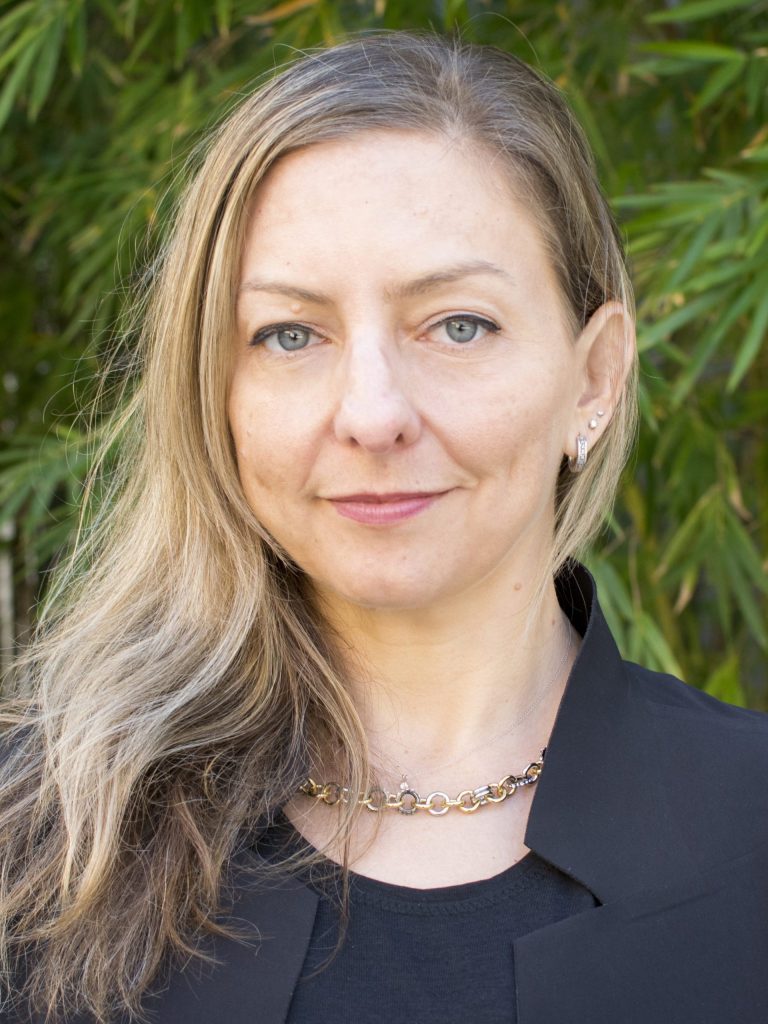
Dr. Tessa Andermann is an assistant professor in the UNC Division of Infectious Diseases whose research focuses on the impact of intestinal microbiome-host interactions on infection complications in patients with hematologic malignancies. Her current projects include: investigating the role of the gut antimicrobial “resistome” in the development of bloodstream and other infections with multi-drug-resistant organisms in patients with hematologic malignancies; developing microbial predictors of therapeutic efficacy and therapy-related complications following administration of cellular and other immunotherapies in patients with cancer; and using the intestinal microbiome as a tool to inform antimicrobial stewardship in immunocompromised patients.
Dr Tessa Andermann (UNC Chapel Hill)
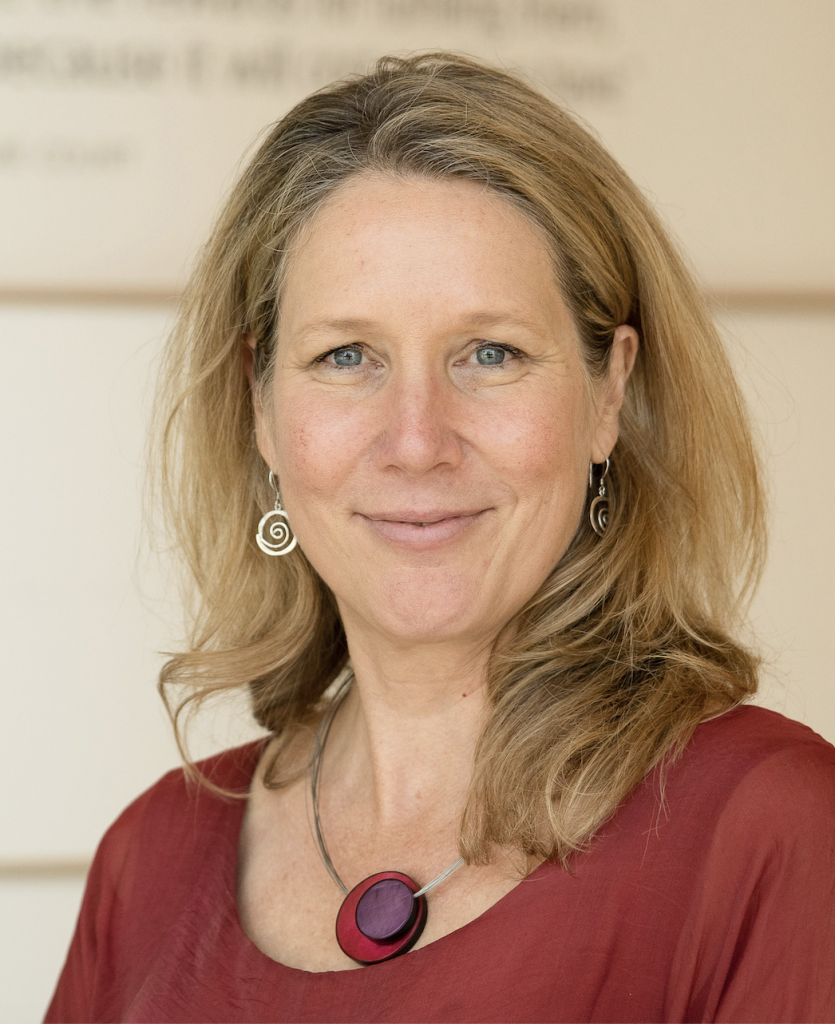
Dr. Martha Burford Reiskind’s research focuses on understanding the interaction of genes and environment in shaping the evolutionary trajectory of species. Over the last decade she has focused her research efforts on the population genomics and rapid evolution of native and invasive vectors of disease such as Aedes aegypti and Ae. albopictus. She addresses how abiotic and biotic interactions influence genetic changes in the genome, such as how human behaviors may influence insecticide usage and drive resistance in disease vectors, and how landscape features limit or enhance gene flow. She is currently an Associate Professor in the Department of Biological Sciences at North Carolina State University.
Dr Martha Burford Reiskind (NC State University)

Dr. Lawrence David is an Associate Professor in the Department of Molecular Genetics and Microbiology and an Associate Director of the Duke Microbiome Center. The David Lab studies relationships between diet, the gut microbiome, and human health. The lab is also interested in engineering new tools at the interface of nutrition and microbiology. Lawrence has received innovator and young investigator awards from the Burroughs Wellcome Fund, the Beckman, Searle, Sloan, and Damon Runyon Foundations, and he has been named one of the 10 Scientists under 40 years old to watch by ScienceNews. Prior to Duke, Lawrence was a Junior Fellow at Harvard University’s Society of Fellows.
Dr Lawrence David (Duke University)

Dr. Andrea T. Deyrup received her undergraduate degree from Princeton University in the Department of Ecology and Evolutionary Biology before joining the University of Chicago for her PhD (Department of Pathology), MD and residency in Anatomic Pathology. She is one of the co-editors of the Robbins Pathology textbook, Essential Pathology and of the 11th edition of Robbins and Kumar Basic Pathology. Her recent work is focused on eliminating race-based medicine from medical school curricula.
Dr Andrea T. Deyrup (Duke University)

Dr. Rob Dunn is Senior Vice Provost for University Interdisciplinary Programs at North Carolina State University, where he is also a biologist and writer in the Department of Biological Sciences. Dunn uses different approaches to understand the stories of the species around us and how they have changed or might change in the future, including ants and their societies, mosquitoes and the diseases they vector, and rare carnivores and the parasites they host. Dunn’s writing has appeared in Natural History, BBC Wildlife Magazine, Scientific American, Smithsonian Magazine, National Geographic and he has published multiple books, including Every Living Thing and The Wild Life of Our Bodies.
Dr Rob Dunn (NC State University)
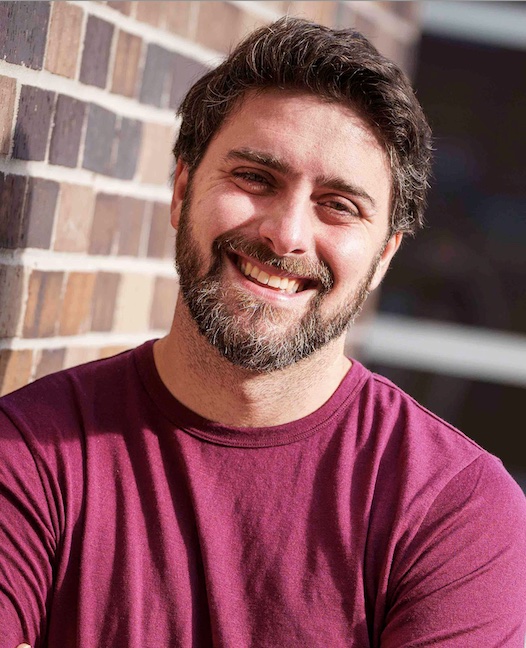
Dr. Jean-Philippe Gibert is a Joanne W. Markman and A. Morris Williams, Jr. Associate Professor of Biology. The Gibert Lab studies how environmental change influences the structure and dynamics of networks of interacting species using a combination of experimental work in microbial microcosms and mathematical and computational approaches. Gibert has received young investigator awards from the American Society of Naturalists, McDonnell, and Simons Foundations, as well as the early-career faculty NSF CAREER award. Gibert holds a bachelor’s degree from the Universidad de la República (Uruguay) and a PhD from the University of Nebraska–Lincoln.
Dr Jean-Philippe Gibert (Duke University)
Dr. John Godwin is a Professor in Biological Sciences at North Carolina State University. He and his students study behavior, neurobiology, and sex determination mechanisms in a range of organisms including sex-changing reef fishes, flatfishes that exhibit temperature-dependent sex determination, and aggressive and stress coping behaviors in wild-derived zebrafish and house mice. More recently, a focus of the laboratory has been the potential utility of genetic methods for removal of invasive rodents from islands with the goal of preserving and protecting island floras and faunas.
Dr John Godwin (NC State University)
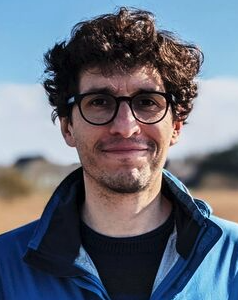
Rafael Guerrero is an evolutionary geneticist in the Department of Biological Sciences at North Carolina State University. His research focuses on understanding how chromosomes evolve, and how genes and environments interact to shape complex traits (especially involving disease risk). He combines theory, large-scale genomic data analysis, and computational modeling, aiming to bridge evolutionary biology and its applications in human health.
Dr Rafael Guerrero (NC State University)
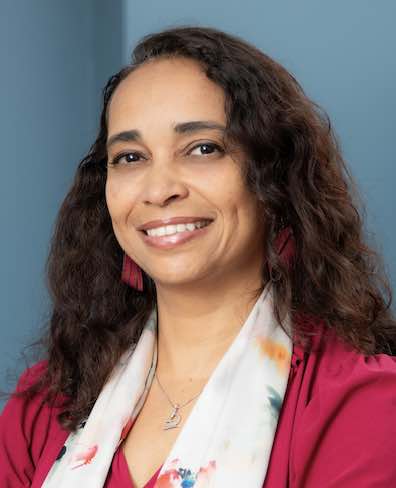
Dr. Asiya Gusa is an Assistant Professor in the Molecular Genetics and Microbiology Department at Duke University’s School of Medicine. The Gusa lab studies how environmental stressors, such as high temperature, impact genetic changes and adaptive evolution in pathogenic fungi. Dr. Gusa was named a CIFAR Azrieli Global Scholar recognizing early career scientists poised to lead interdisciplinary science for real world impact and solutions. She is a founding member of the CLIF (Climate and Fungi) research group at Duke working on collaborative projects to understand and mitigate health risks associated with indoor mold following flooding events. Additionally, her team is exploring natural product discovery utilizing environmental fungi for bioremediation of microplastic pollution.
Dr Asiya Gusa (Duke University)
Dr. Angela Harris is an Assistant Professor in the Civil, Construction, and Environmental Engineering Department at NC State, and a member of the Global Water, Sanitation, and Hygiene (Global WaSH) cluster in the Chancellor’s Faculty Excellence Program. Dr. Harris’s research seeks to characterize human exposure pathways of environmentally-mediated infectious diseases and develop methods to interrupt pathogen transmission to protect human health. Dr. Harris also works to improve data collection and analysis strategies related to microbial contamination, with particular focus in fecal contamination, antibiotic resistant organisms, and enteric pathogens in a variety of environmental media. She has field sites in the US, Tanzania, Uganda, Kenya, Bangladesh, and Indonesia.
Dr Angela Harris (NC State University)
Dr. Tara Harrison is an Associate Professor of Zoo and Exotic Animal Medicine at North Carolina State University’s College of Veterinary Medicine. Dr. Harrison is a Diplomate of the American College of Zoological Medicine, American College of Veterinary Preventive Medicine and European College of Zoological Medicine (Zoo Health Management). Dr. Harrison is the Vice-President and lead investigator of the Exotic Species Cancer Research Alliance. Dr. Harrison’s research focus is on determining prevalence, outcomes, and therapies for cancer across non-domestic species and how it compares or contrasts to humans.
Dr Tara Harrison (NC State University)
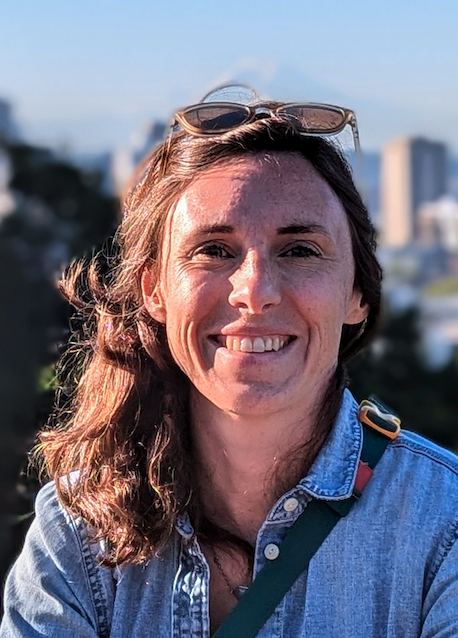
Caiti Heil is an Assistant Professor in the Biological Sciences department at North Carolina State University. Her lab uses genetics and genomics in the budding yeast Saccharomyces to investigate evolutionary processes. In particular, she focuses on meiotic recombination rate variation and evolution, and how hybridization influences adaptation and genome evolution.
Dr Caiti Heil (NC State University)
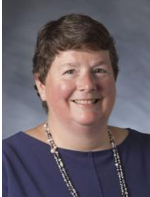
A specialist in the history of science and medicine, Dr. Margaret Humphreys has focused her research and publications primarily on infectious disease in the U.S. and the American south, as well as the history of medicine during the American Civil War. She has published several books, including Yellow Fever and the South (1992), Malaria: Poverty, Race, and Public Health in the United States (2001), Intensely Human: The Health of Black Soldiers in the American Civil War (2008), and Marrow of Tragedy: The Health Crisis of the American Civil War (2013).
Dr Margaret Humphreys (Duke University)

Dr. Shelley Hwang is a Professor of Surgery in Advanced Oncologic and GI Surgery. Dr. Hwang is interested in the diagnosis and treatment of early-stage breast cancer, management of patients at high risk for breast cancer, and surgical treatment of patients with breast disease.
Dr Shelley Hwang (Duke University)
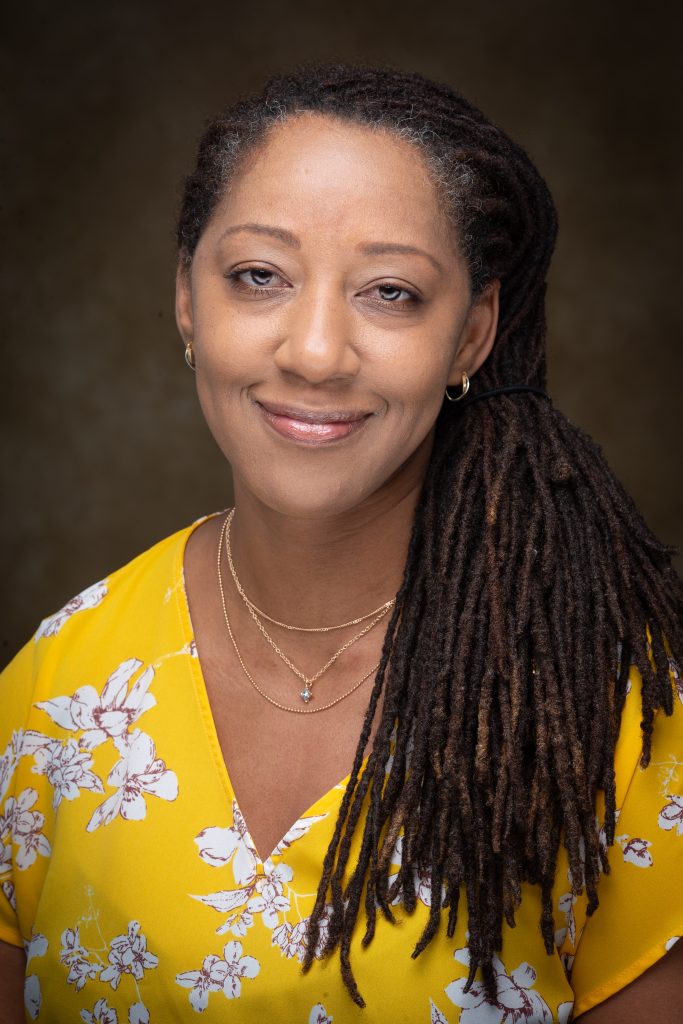
Dr Liesl K. Jeffers-Francis is an Associate Professor in the Department of Biology at North Carolina A&T State University. Her research explores the role of trade-offs in the evolution of bacteriophage and metal resistance in E. coli. Through this investigation, she aims to understand how these tiny organisms adapt to their environments and respond to stressors, such as the presence of antibiotics. Jeffers-Francis’s work also includes research into how these evolutionary processes affect health outcomes, contributing to our understanding of diseases and the development of new treatments. Her passion for integrating diverse fields of study makes her work uniquely impactful, with implications reaching across molecular biology, ecology, and public health.
Dr Liesl K. Jeffers-Francis (NC A&T)

Dr. Corbin Jones is a Professor in the Biology Department as well as a Professor of the Carolina Center for Genome Sciences (CCGS). The goal of his research is to identify, clone, and characterize the evolution of genes underlying natural adaptations in order to determine the types of genes involved, how many, and what types of genetic changes occurred, and the evolutionary history of these changes. His lab aims to develop new methods relevant to the study of evolutionary genomics including theoretical, bioinformatic and statistical approaches.
Dr Corbin Jones (UNC Chapel Hill)
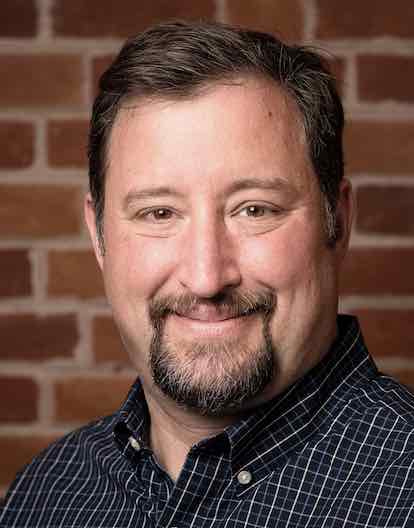
Dr. Jonathan Juliano is the Cary C. Boshamer Distinguished Professor of Medicine and Epidemiology at the University of North Carolina at Chapel Hill. His research centers on the ecology and evolution of Plasmodium species—the parasites responsible for malaria—particularly in response to selective pressures such as antimalarial drugs and vaccines. He leads large-scale clinical studies across Africa and employs multi-omic approaches to gain deeper insights into parasite biology. Dr. Juliano also applies genomic and spatial epidemiology to support malaria control programs and empower African scientists in the fight against malaria.
Dr Jonathan Juliano (UNC Chapel Hill)
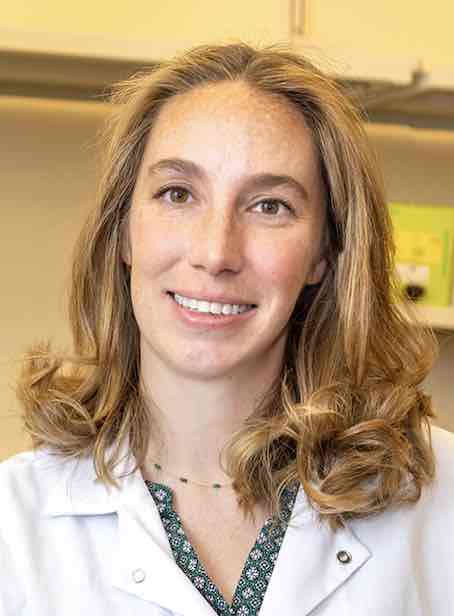
Dr. LaBella is an assistant professor in the Department of Bioinformatics and Genomics at UNC Charlotte. Her lab operates out of the collaborative North Carolina Research Campus in Kannapolis, NC, and she is a member of the Center for Computational Intelligence to Predict Health and Environmental Risks (CIPHER). Her work explores information encoded in “silent” synonymous mutations, aiming to understand the regulatory role of codon-tRNA dynamics. She is particularly interested in the evolution of fungal pathogens in the yeast subphylum.
Dr Abbe LaBella (UNC Charlotte)
Dr. Cristina Lanzas is an infectious disease epidemiologist and modeler in the Department of Population Health and Pathobiology at North Carolina State University. Her lab focuses in characterizing the transmission of antimicrobial-resistant and health-care associated pathogens. Her most recent work has involved the use of E. coli-cattle as a model system to study drivers of transmission of enteric pathogens, and modeling and quantifying factors driving the epidemiology multi-drug resistant phenotypes.
Dr Cristina Lanzas (NC State University)

Dr. Dayami Lopez is a tenured Professor in the Department of Pharmaceutical Sciences and a Principal Investigator in the Biomanufacturing Research Institute and Technology Enterprise (BRITE) at North Carolina Central University. Her research interests include identifying novel regulators of PCSK9, a protease involved in hypercholesterolemia and atherosclerosis, and the role of hypothyroidism on Alzheimer’s disease and breast cancer.
Dr Dayami Lopez (NC Central University)
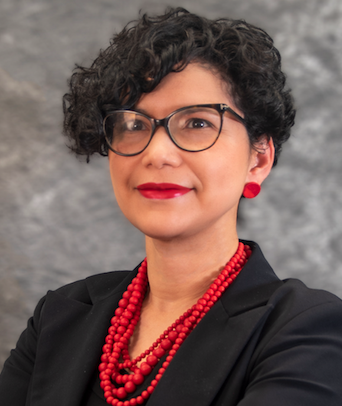
Maria Mayorga is the Director and Goodnight Distinguished Chair in Operations Research at NC State. She holds a joint appointment in the Fitts Department of Industrial and Systems Engineering and the Department of Business Management and is part of the Precision Medicine Cluster. Her research interests include predictive models in health care, healthcare operations management, emergency response, and humanitarian logistics. She employs a variety of methods, including mathematical modeling, statistics, simulation, and, more recently, machine learning and artificial intelligence.
Dr Maria Mayorga (NC State University)

Dr. Charles Mitchell’s research group investigates the community ecology of infectious disease. His lab studies pathogens infecting wild plants, chiefly grasses. His main current interest is interactions between fungal pathogens and the broader leaf microbiome.
Dr Charles Mitchell (UNC Chapel Hill)

Dr. Fred Nijhout is broadly interested in developmental physiology and in the interactions between development and evolution. He studies the mechanisms that control body size and the relative size and shapes of appendages, and the development, genetics and evolution of complex traits. Much of his current work centers on complex metabolic systems relevant to human health, and the mechanism by which these systems are either sensitive or robust to mutations and environmental factors.
Dr Fred Nijhout (Duke University)

Dr. Shila Nordone is Director of Research Development for the Duke University School of Nursing and adjunct Research Assistant Professor of Immunology at NC State University College of Veterinary Medicine. She serves as a grant writing consultant to firms specializing in acquisition of non-dilutive federal funds and as a scientific advisory board member for veterinary non-profits. Dr. Nordone continues to be active in collaborative research involving modeling and forecasting of infectious disease in companion animals.
Dr Shila Nordone (Duke University)
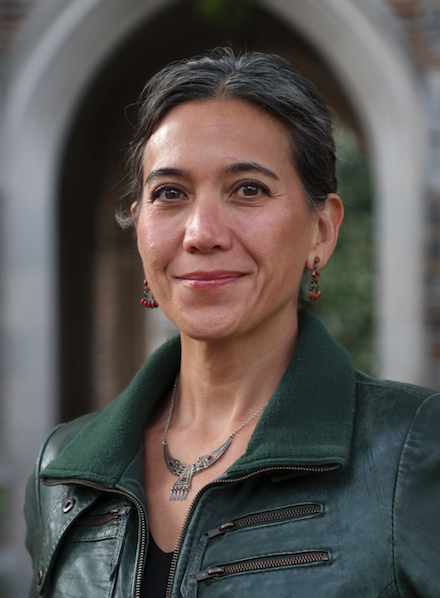
Aunchalee Palmquist, PhD, MA, IBCLC is an Associate Professor of the Practice at the Duke Global Health Institute with a secondary appointment in Cultural Anthropology. Her research focuses on the biocultural dimensions of breastfeeding and perinatal health equity. Dr. Palmquist specializes in conducting community engaged research, ethnographic research, and arts-based qualitative data collection. Currently, she is involved in interdisciplinary climate and maternal-child health research in Sri Lanka, Kenya, South Sudan, and North Carolina. Dr. Palmquist is Director of Graduate Studies at DGHI and key faculty member of the DGHI Climate and Global Health Initiative
Dr Aunchalee Palmquist (Duke University)
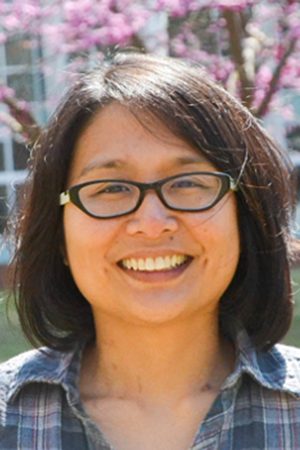
Dr. Ariane Peralta is a microbial ecologist and an Associate Professor of Biology at East Carolina University. The Peralta Lab examines how climate and land use changes influence microbial community structure and functions associated with regulating air quality, water quality, and human, animal, and plant health. Ariane leads interdisciplinary microbiome research and collaborates with economists, engineers, geologists, and anthropologists to understand how ecological systems interact with human systems to better predict microbial responses to environmental changes.
Dr Ariane Peralta (ECU)
Dr. Herman Pontzer, PhD, is an Associate Professor of Evolutionary Anthropology at Duke University, and also holds an appointment in the Duke Global Health Institute. His research focuses on metabolic energy expenditure and the relationships between diet, physical activity, and cardiometabolic health. Dr. Pontzer is involved in projects with subsistence farming and foraging populations in Kenya, Tanzania, Ecuador, and Bolivia examining physiology and health outcomes in non-industrial populations and the development of evolutionary “mismatch” diseases in the industrialized world.
Dr Herman Pontzer (Duke University)
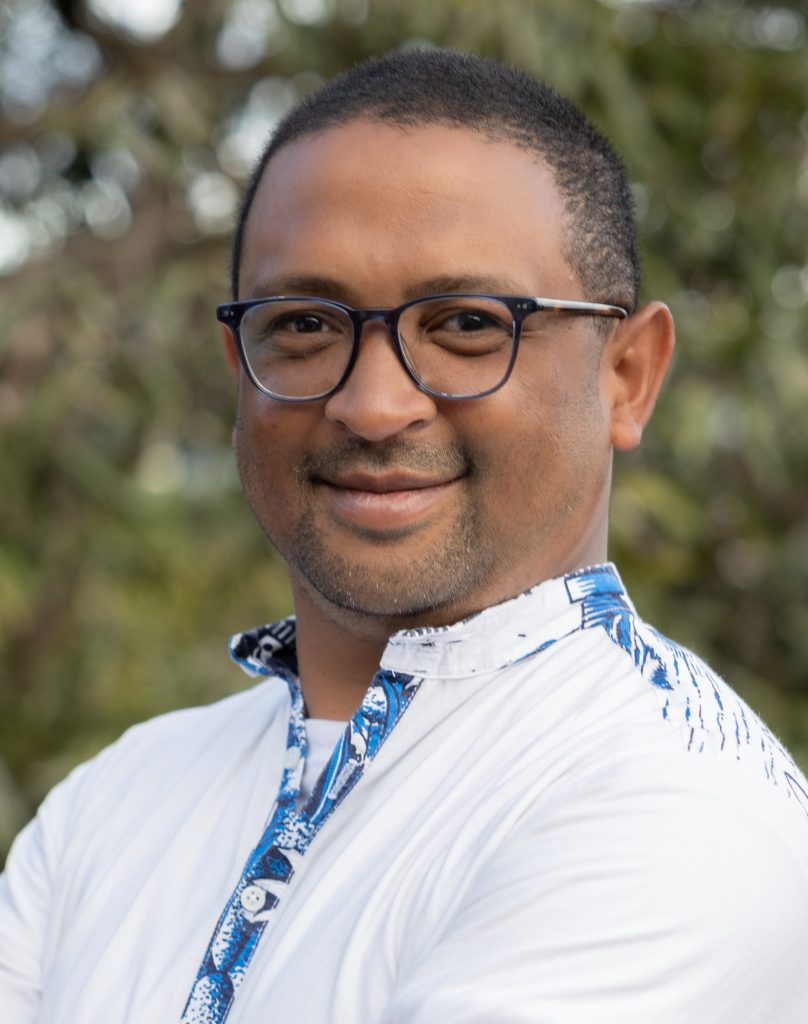
Dr Fidisoa Rasambainarivo is a wildlife veterinarian and an assistant professor in the Department of Biology at East Carolina University. His research characterizes patterns of health and disease transmission at the human, domestic animal and wildlife interface in order to inform conservation and public health policies. Using a combination of fieldwork, laboratory and data analysis as well as computational modeling, Fidy’s research aims at understanding and limiting the potential impacts of humans and domestic animals on wildlife health in Madagascar.
Dr Fidy Rasambainarivo (ECU)
Dr. Rasmussen is an Assistant Professor in the Dept. of Entomology and Plant Pathology and the Bioinformatics Research Center at NC State. His research focuses on developing new phylogenetic methods for tracking the epidemiological and evolutionary dynamics of infectious pathogens in humans and agricultural systems. His group also uses experimental evolution to study how plant viruses adapt to new hosts and expand their host range.
Dr David Rasmussen (NC State University)

Dr. Michael Reiskind has spent his professional career studying various aspects of infectious disease, with a recent focus on pathogens transmitted by arthropods. He received his Masters of Public Health and a PhD from the University of Michigan and completed post-doctoral training at the Florida Medical Entomology Laboratory. He is currently an associate professor in the Department of Entomology and Plant Pathology at North Carolina State University.
Dr Michael Reiskind (NC State University)
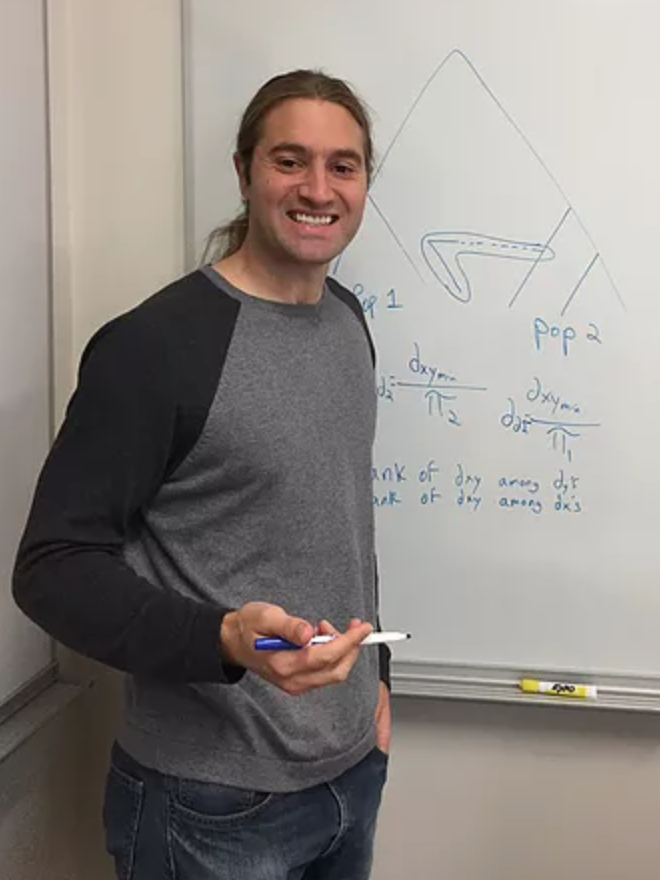
Dr. Dan Schrider is an Assistant Professor in the Department of Genetics at the University of North Carolina at Chapel Hill. His research group develops and applies computational tools to make inferences about evolution from population genetic datasets. Their research areas include but are not limited to the population genetics of adaptation, genomic copy number variants, phylogenetic inference, and the application of modern machine learning tools to evolutionary questions.
Dr Dan Schrider (UNC Chapel Hill)
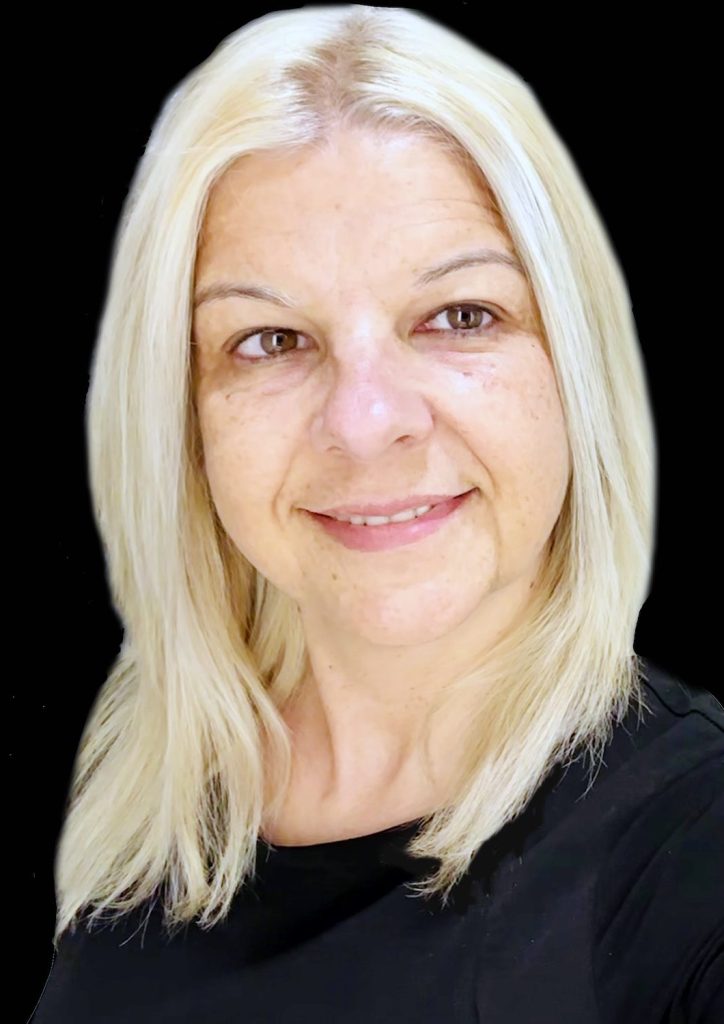
Dr. Robbins Schug is a professor at UNCG whose research is focused on how history, society, and culture shaped human responses to crisis throughout the Holocene and how adaptive challenges like climate change, urbanism, and the adoption of agriculture have affected human health. She is primarily interested in the role of social inequality and the experience of resilience in the past. Dr. Schug is also involved in research on the ethics of the curation and use of human skeletons in teaching and research.
Dr Gwen Robbins Schug (UNC Greensboro)
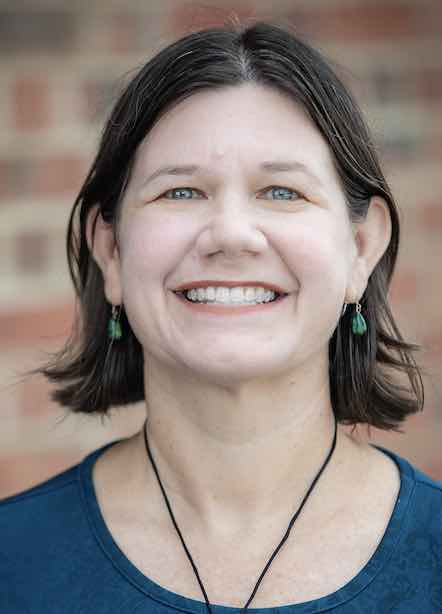
Megan Serr is an Associate Professor at Meredith College and an Assistant Adjunct Professor in the Biology Department at North Carolina State University, where she also serves as a Genetic Engineering and Society Affiliate. Her primary research focuses on fieldwork and the use of gene drive technology in rodents, particularly the reproductive competitiveness of laboratory and wild-derived island mice. At Meredith, Dr. Serr also leads research on amphibians and wildlife disease, studying local levels of the chytrid fungus. Her work both tracks the spread of this pathogen and raises national awareness of chytridiomycosis, a deadly threat to amphibian populations.
Dr Megan Serr (Meredith College)
Dr. Vijay Sivaraman is an Associate Professor in the Department of Biological and Biomedical Sciences at North Carolina Central University (NCCU), and a member of both the NCCU BRITE and JLC-BBRI research institutes as well as the Center for Human Health and the Environment. His research interests range from microbe/host interaction to inflammatory effects of alcohol, cannabinoids, e-Cigs and air particulate within the lung. Since August 2013, Dr. Sivaraman has been an educator and researcher while training both Masters and Doctoral researchers, and recently was awarded an RTI University Scholars position to develop novel models to study exposures of microplastics and PFAS within the airways.
Dr Vijay Sivaraman (NC Central University)

Dr. Kyle Summers has broad interests in evolution, particularly evolutionary ecology and evolutionary genetics. His students and him have carried out research on reproductive strategies and larval life history in frogs, the evolution of aposematism and mimicry, and evolutionary approaches to human health and behavior. Summers is interested in molecular systematics and the use of phylogenetic trees to inform analyses of ecology and adaptation.
Dr Kyle Summers (ECU)
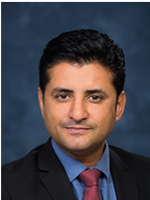
Dr. Sid Thakur is a Professor in the College of Veterinary Medicine, NC State University. He espouses the concepts of “One Health” and seeks to understand how antimicrobial resistance develops in “superbugs” that affect animal and human health. He is the Director of Global Health CVM and the Director of Global Health Initiatives at NC State.
Dr Sid Thakur (NC State University)
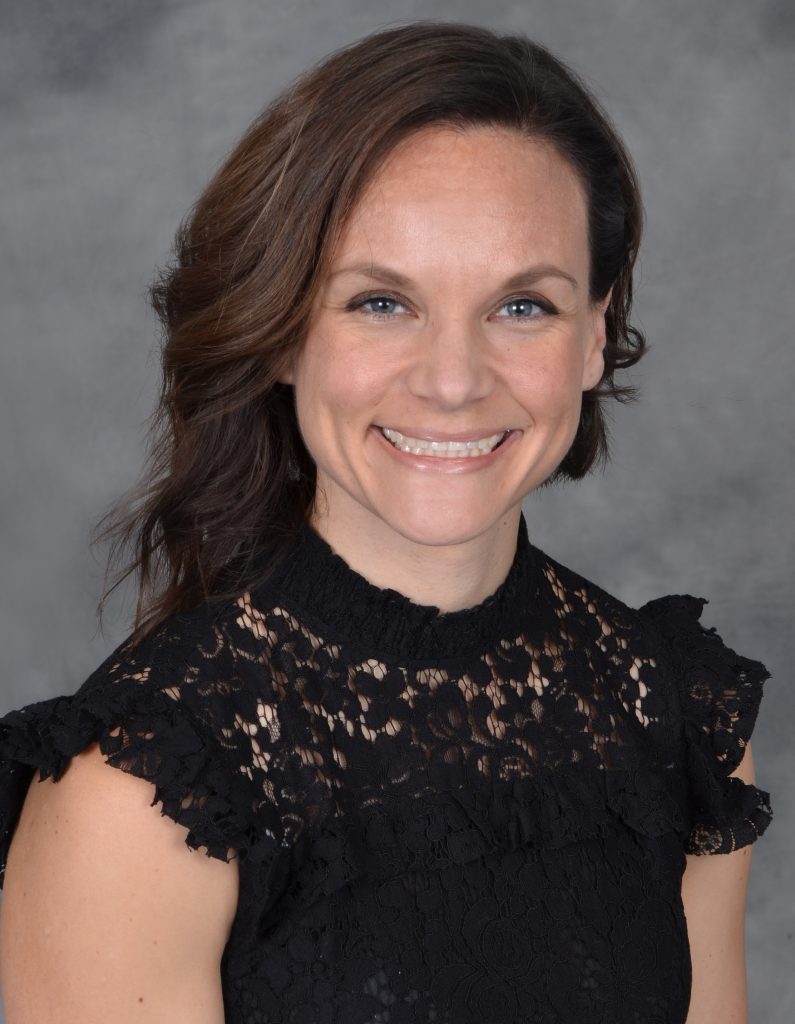
Dr. Misty Thomas is an Associate Professor in the Department of Biology at North Carolina A&T State University. Her research focuses on understanding the molecular mechanisms of microbial adaptation to novel environments. Specifically, she is interested in (1) the evolution of resistance mechanisms towards heavy metals and (2) adaptation of microbes from the oral microbiome in outer space. The lab primarily uses experimental evolution followed by whole genome resequencing and differential gene expression to identify molecular targets to understand the cellular and molecular consequences of adaptation. The overall goal of her work is to preemptively identify adaptive targets before they arise in nature, with the potential of using them as mitigation targets.
Dr Misty Thomas (NC A&T)

Dr. Thompson specializes in the study of human growth and nutrition, studying the biological pathways linking early life social, behavioral and physical environments to obesity and chronic disease across a range of national and international settings. Her work focuses on: the effects of early diet on the development of the intestinal microbiome as an underlying pathway linking infant feeding and the development of obesity; the structural, social, maternal and infant characteristics contributing to the development of an obesogenic environment; and the physical and social environments associated with the development of inflammation in children, adolescents, and adults.
Dr Amanda Thompson (UNC Chapel Hill)

Dr. Jeffrey Thorne is a statistical geneticist who is in the Biological Sciences and Statistics Departments at North Carolina State University. His research focus is on extracting evolutionary information from DNA sequence data. Among his interests are the evolutionary impacts of protein structure, genome repeats, and cancer.
Dr Jeffrey Thorne (NC State University)
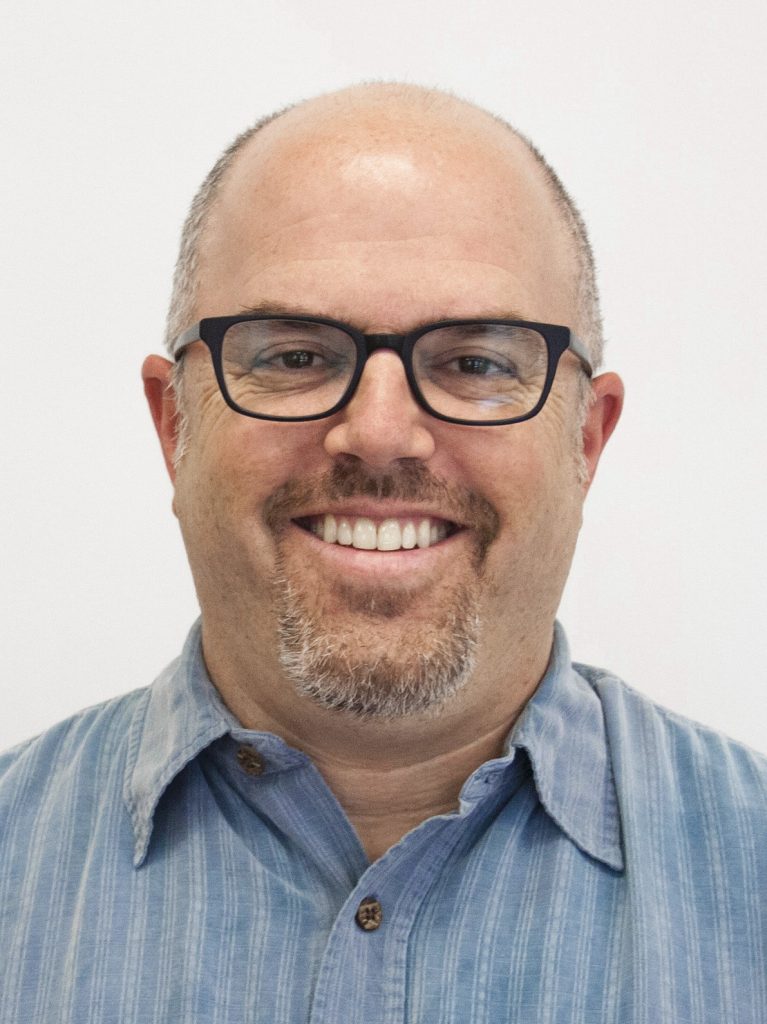
Dr. Jory Weintraub is Director of Science Engagement at NC State University, and an adjunct faculty member at Duke University. Previous positions have included co-PI and Director of Professional Development & Training for the NSF-funded Center for Advancing Research Impact in Society (ARIS), Science Communication Director and Senior Lecturing Fellow with the Duke Initiative for Science & Society, and Assistant Director of Education & Outreach at NESCent (the National Evolutionary Synthesis Center). He has a BS in Biochemistry/Cell Biology from UC San Diego, a PhD in Immunology from UNC Chapel Hill, and received an NSF postdoctoral fellowship in STEM Education & Outreach. His professional interests include science communication, STEM outreach/education, STEM DEI, and broader impacts.
Dr Jory Weintraub (NC State University)
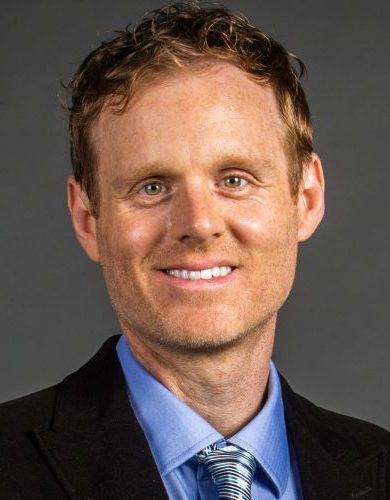
Dr. Jason Wingert is a Professor in the Department of Health Sciences at UNC Asheville. His research focuses on characterizing somatosensory function across the lifespan, including in young people with cerebral palsy. More recently his work has linked age-related proprioception deficits with falls risk in older adults. He is also currently investigating the cognitive factors underlying the challenges to learning about evolution.
